
Shower Leak Warning Signs: What to Note Before You Arrange Work
Updated 2026-10-12 · AA Bathrooms
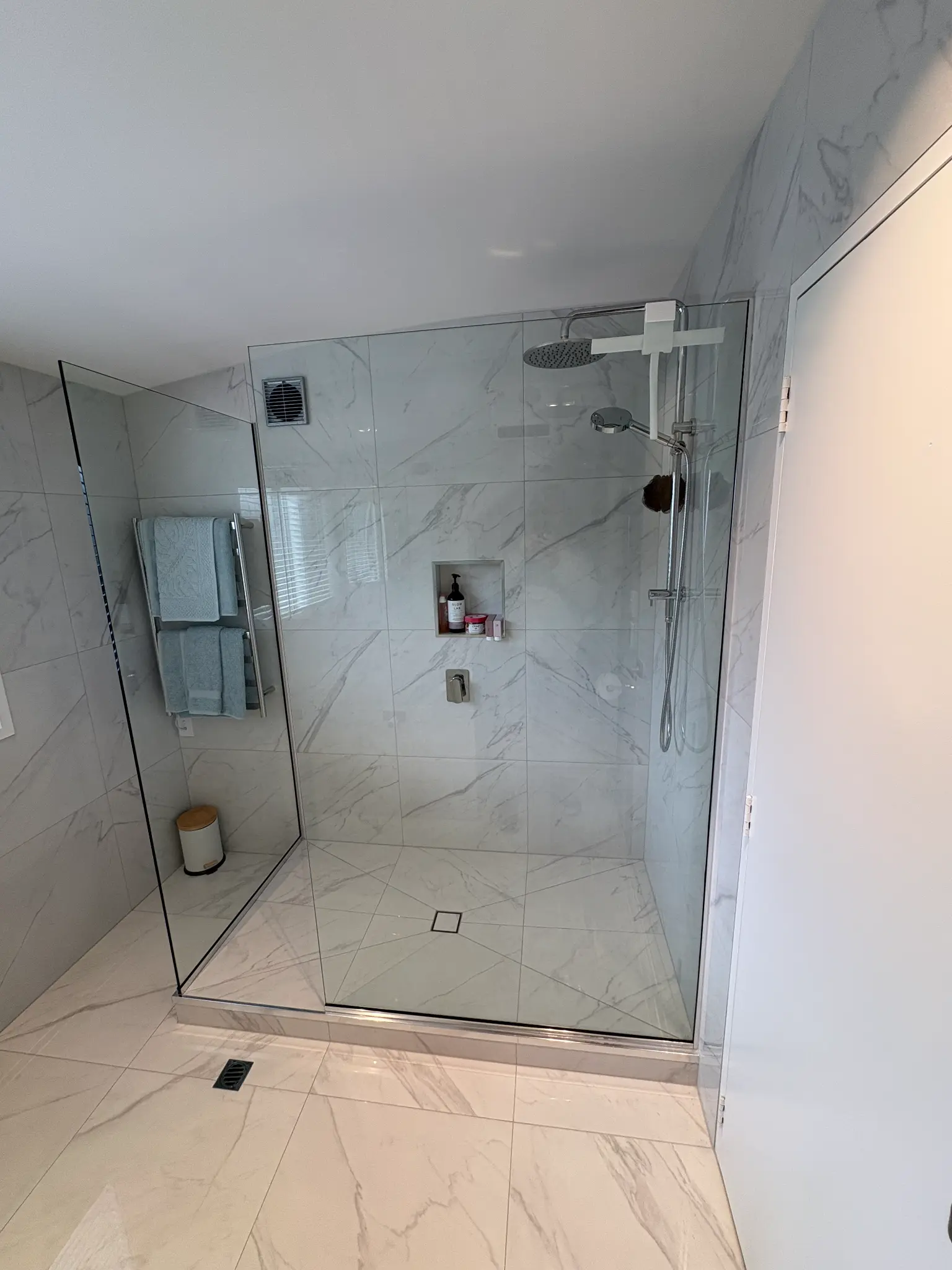
Use this guide to make the next room decision clearer.
Read the detail below, then use these three prompts to turn general advice into a useful brief for your own bathroom.
- 01The existing room
Note what is not working now and the everyday outcome you want from the finished bathroom.
- 02The decision in front of you
Use this guide to compare the relevant options before selecting products or work scope.
- 03Your next decision
Bring the room, questions and priority list to a practical site-visit conversation.
Staining, swelling, a musty smell, loose or damaged finishes, repeated mould or unexplained damp around a shower can all be warning signs worth checking. They do not establish the cause or tell you whether the answer is a simple repair, shower replacement or wider bathroom work. The useful first step is to record what you can see, note when it appears and arrange a project-specific assessment rather than trying to diagnose the room from a general guide.
This guide helps Christchurch homeowners prepare for that conversation. It is not plumbing, building or insurance advice for a particular property. If water is creating an immediate hazard, follow appropriate emergency advice first and avoid putting yourself at risk to inspect concealed areas.
Signs around a shower that deserve a closer look
The shower itself is only part of the picture. Look at the shower enclosure, the adjacent wall and floor finishes, the room outside the shower and any space directly beside or below it. A visible change is useful information even when its cause is not obvious.
- Staining, discolouration or swelling on nearby linings, skirting or cabinetry.
- Loose, cracked or moving tiles, trim, seals or shower components.
- A persistent damp or musty smell, or mould that returns after normal cleaning.
- Water appearing where it would not normally be expected during or after shower use.
- A shower door, tray, wall lining or enclosure that is damaged, tired or no longer working as intended.
- Changes to the room on the other side of a shower wall, or to a ceiling below a bathroom.
None of these signs proves a particular fault. They are prompts to look at the room properly. Avoid removing linings, lifting surfaces or treating a cosmetic fix as a diagnosis before the relevant work has been assessed.
Record the room before details are forgotten
Simple, factual notes are more useful than a theory about what has gone wrong. Take wide photographs that show the shower in the room and closer photographs of the visible concern, only where it is safe to do so. Note when you first noticed it, whether it seems connected to shower use and whether the issue has changed over time.
Include the practical context: the age or recent history of the shower if you know it, any past repair information, the room beneath or beside the bathroom and whether there are access constraints. This gives a shower assessment a clearer starting point without asking you to expose concealed construction.
Why the room around the shower matters
A shower decision is rarely just about the screen, door or tray. Surrounding finishes, the layout, the condition of nearby areas and what you want from the finished room can affect the practical scope. In some rooms, a focused repair may be discussed. In others, a replacement or wider renovation may be the more useful conversation. The existing room should guide that decision.
The shower repair or replacement guide explains the questions that help distinguish those conversations. For planning around surfaces and the wider shower scope, see the shower waterproofing questions guide.
Prepare for a shower assessment
Bring photographs, a short timeline and an explanation of what is not working in everyday use. It helps to say whether you are trying to address a visible concern, improve a dated shower, change the way the room works or plan a larger bathroom update. That lets the conversation start with the outcome as well as the current condition.
AA Bathrooms can discuss shower replacement and installation in Christchurch around the existing shower and the room around it. If damage may involve an insurance process, the insurance bathroom repair information checklist explains how to keep the initial information organised without making a cover decision.
When to make the next call
Do not wait for a general article to tell you exactly what is happening in your home. Once you have noted the visible signs and the room context, contact AA Bathrooms to talk through the shower, the concern and the information available. The right next step depends on the specific room and scope.
Useful answers before you get started.
01Do shower leak warning signs always mean the whole shower needs to be replaced?
No. A visible sign does not determine the cause or the final scope. The shower, adjacent surfaces, room condition and outcome you want all need to be assessed before a focused repair, replacement or wider renovation can be discussed.
02What should I photograph if I am concerned about a shower?
Take safe, factual photos of the wider shower area and the visible concern, such as a damaged component, staining or affected finish. Keep any prior repair information and a short note of when you noticed the issue. Do not remove linings or expose concealed areas to take photos.
03Can AA Bathrooms tell me whether a shower issue will be covered by insurance?
No. Cover, liability and claim approval are decisions for the insurer under the relevant policy and circumstances. AA Bathrooms can discuss the practical bathroom or shower work once the room scope is being considered.